


Logbooks are informal dispatches from us when we are actively traveling. Quick, unpolished, and immediate for a sense of what is around us.
The contrast is jarring. Three minutes ago on the rainforest side of the mountains the bus labored through clouds and mist. Over the crest, it is sun and blue sky. The peaks of the Cordillera Central de Panamá snared the clouds and pushed them back at the Caribbean, sparing the sky of the Pacific side of the country. The crossing felt like the beginning of our trip to Chile. Only five hours away from our home on Isla Colón, but a different energy in the hilly savannas, away from the dense jungle.
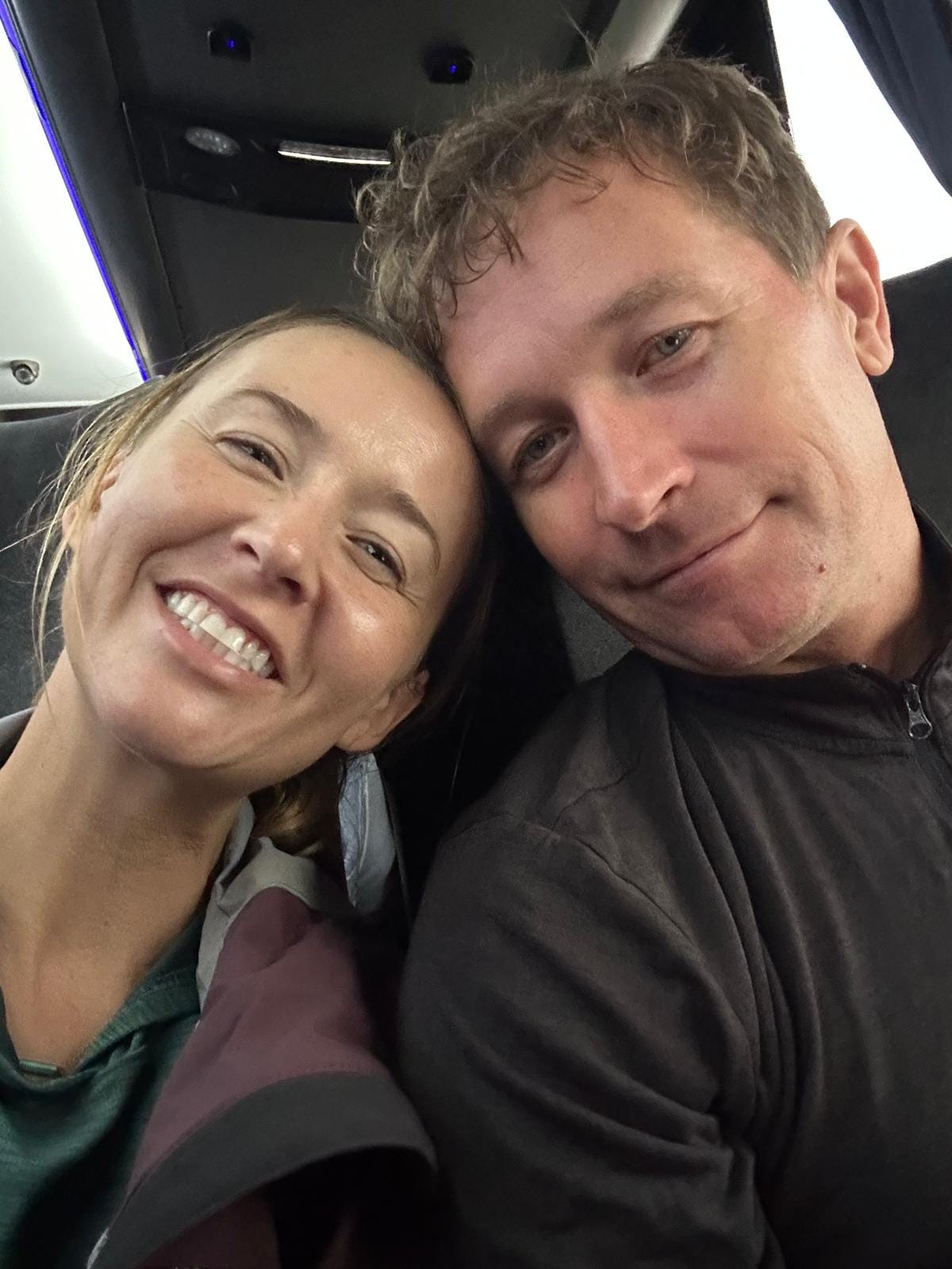
We began the day at Taxi 25 dock on our island of Isla Colón, then boarded the bus in Almirante. The flight would have been faster, only forty-five minutes over the reefs and blue waters of the sea, but four hundred dollars more. We opted for the ten hour ride.
We share the bus with indigenous locals and their children, but mostly European and American backpackers. The backpackers pass through in numbers in Bocas, in identical uniforms of hiking boots, tech Patagonia pants, and large Osprey backpacks under the rain covers. This is the closest we have been to them. The backpackers slide past us in town without much friction. They are younger than us and looking for an adventure in what is our normal life.
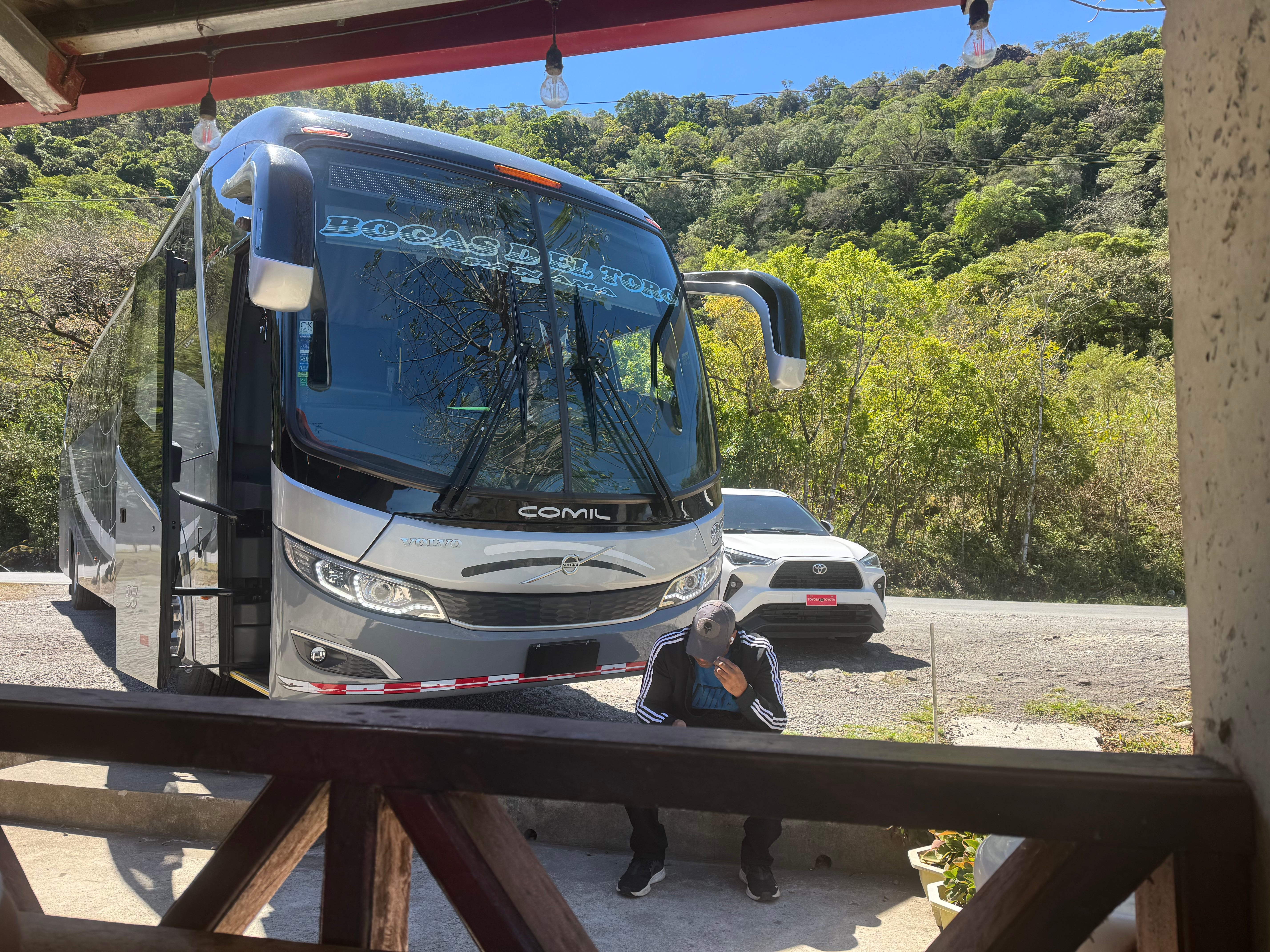
The bus is new and comfortable. The local children are quiet, no screaming or yelping I expected. Instead, they listen to their mothers. The bus driver is calm by Latin American standards. “No bags in the overhead compartment,” he commands everyone boarding. On the tight curves of the road and only modest braking from him, each bag from above would have found a target on the heads of people below. Instead my bag is underneath the seat and jabs my ankles each time it slides with the curves.
“Bus is ok,” people told us, “cold and too long. Fine to take once, just to see the sights.”
But I love it. I recline the seat and watch the mountains. How could the first people cut their ways through the density of this jungle? Today, with machetes, chainsaws, and bulldozers it is a daunting task. But then? Before the sharpened tools? The dense green wall, impenetrable, yet subdued and suborned to the will of indigenous. But only for a time. Even a season of neglect and the jungle takes back each un-lived house and unworked land.
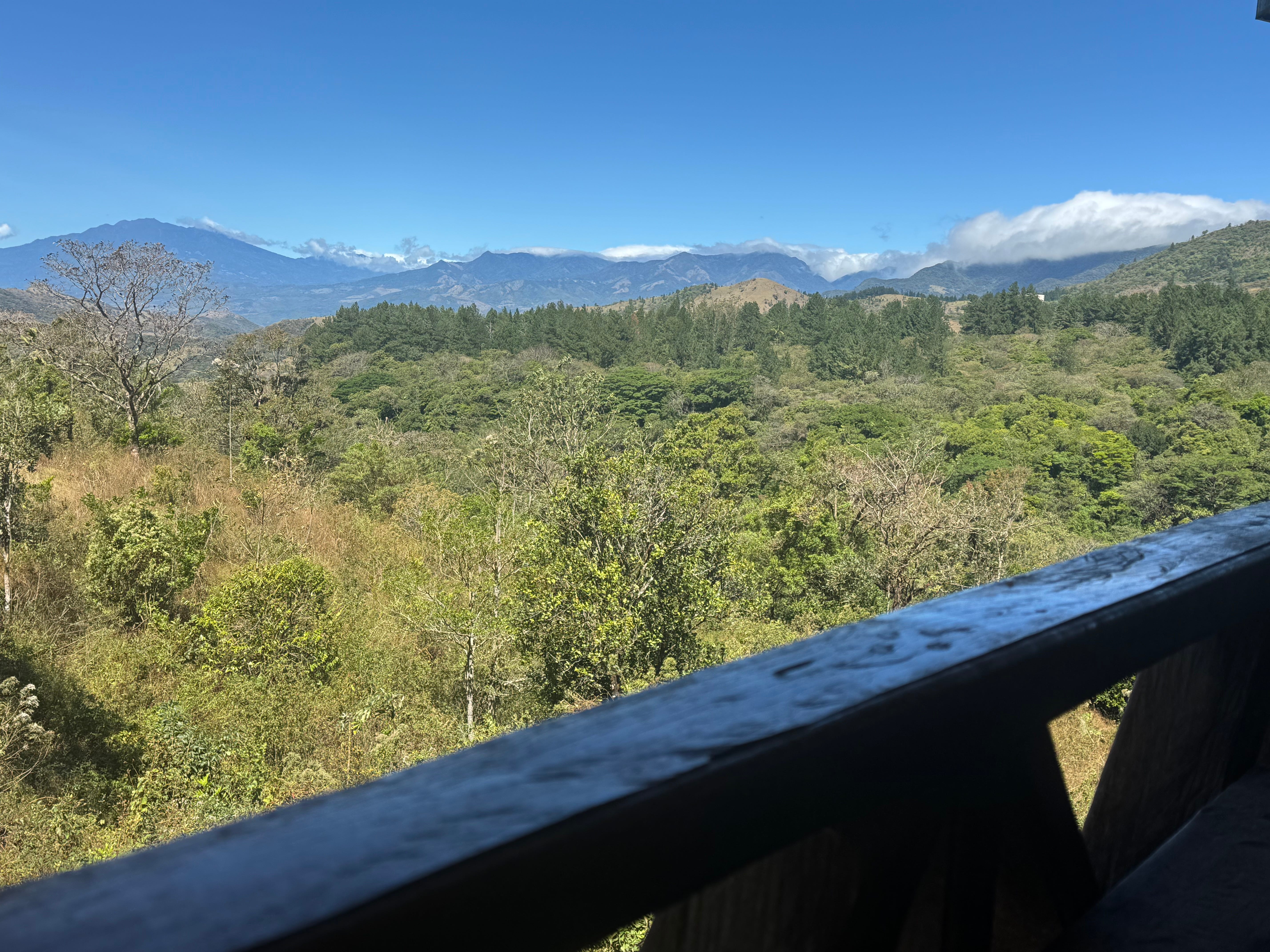
Once we crossed the ridge, the jungle did not follow. It stayed on the wet Caribbean side. The slopes of the drier Pacific side reminded me of California’s golden hills or postcards of the Mediterranean. Patches of light woods, golden slopes, rare farm homes, and meandering cows. Panamanian cows with a hump at the base of their neck, like malformed camels.
The bus attendant walks the aisle, holding on in the swaying bus. We are stopping at a fonda on the side of the mountain for a bit of food and rest, he tells us. Twenty five minutes, then back on the road. It is enough time for empanadas from a stand, a few minutes to eat them at the outdoor tables with gorgeous views down the valley aiming at the Pacific. Two dollars a plate…